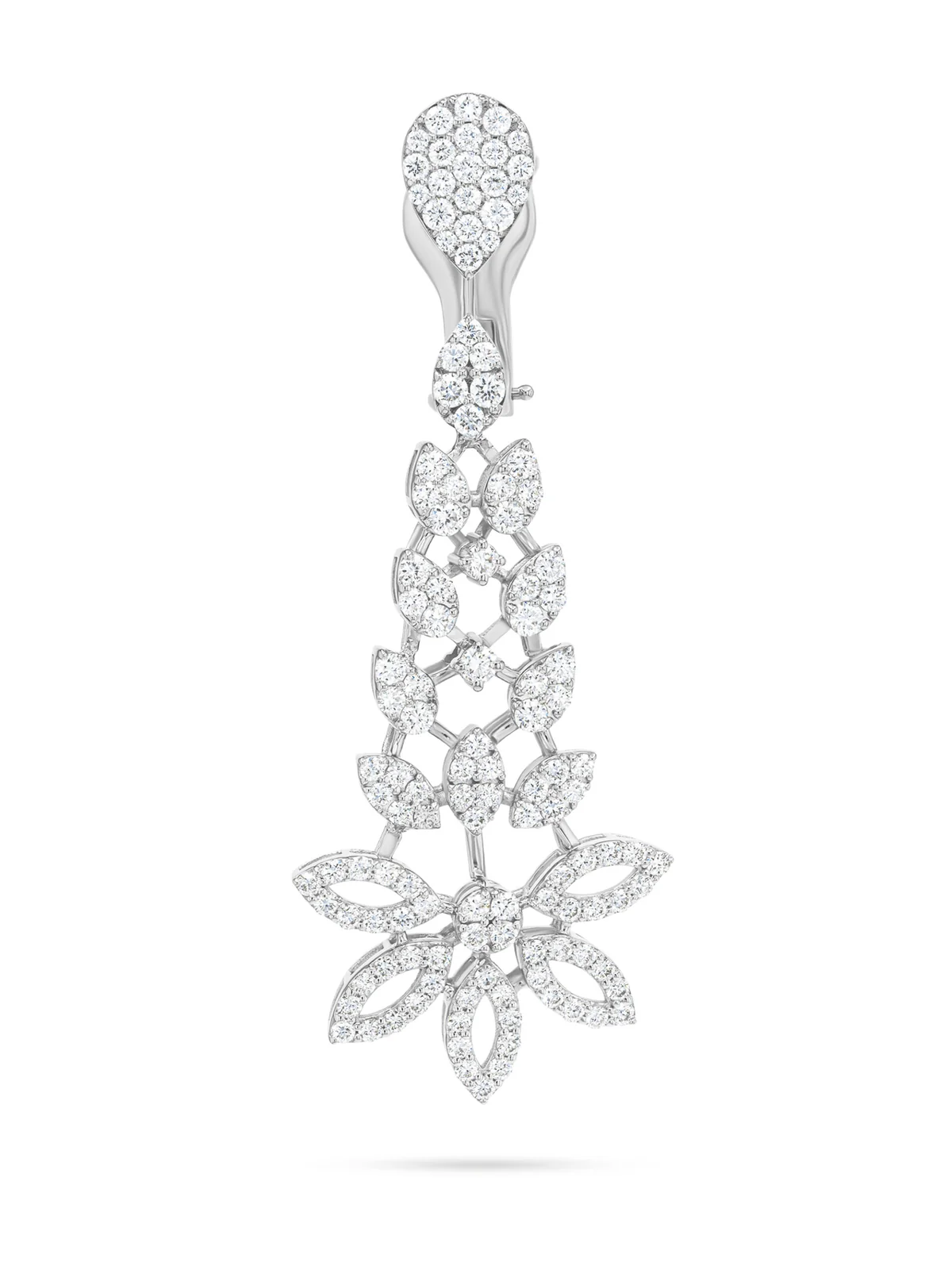
Even brands with strong creative direction often hit a wall when it comes to photoshoot execution. You’ve defined your pillars — luxury, craftsmanship, timeless design — but when images come back from the photographer, something feels off. The mood doesn’t match the message. Post-production is where that gap either closes or widens permanently.
Most brands treat editing as a finishing step, a technical clean-up after the “real” creative work is done. That assumption is one of the most costly mistakes in fashion and jewelry photography. Retouching, color grading, and image compositing are not corrections: they are creative decisions that define how “expensive,” “fresh,” or “desirable” your product feels to the viewer.

At PicVisual, we work with jewelry and fashion brands at the intersection of art direction and post-production. What we’ve consistently seen is this: the brands with the most coherent visual identities aren’t necessarily the ones with the biggest budgets — they’re the ones that understand post-production as an extension of their creative vision.
Post-production doesn’t just enhance an image. In fashion and jewelry photography, it determines how the audience emotionally experiences your brand.
Part One: Why Post-Production Is Part of Art Direction

Creative direction defines the brand’s long-term visual DNA. Art direction translates that vision into a specific campaign or lookbook. But there’s a third layer that too many brands leave unaddressed: the post-production philosophy that governs how every final image is processed, graded, and delivered.
Think of it this way. You’ve carefully chosen your lighting to suggest warmth and intimacy. Your stylist has selected fabrics that feel tactile and real. Your model’s posture projects quiet confidence. Then the images come back from a retoucher who brightens aggressively, smooths every texture, and blows out highlights to match a default “clean” aesthetic. The warmth is gone. The tactility is gone. What’s left is generic.
Strong product image editing begins with understanding the campaign’s emotional intent — and protecting that intent through every stage of post-processing. Skin, metal, fabric, and shadow all have emotional weight. How you treat each one in editing determines whether the final image feels like your brand or like every other brand.
Part Two: The Ghost Mannequin Problem — and the Solution

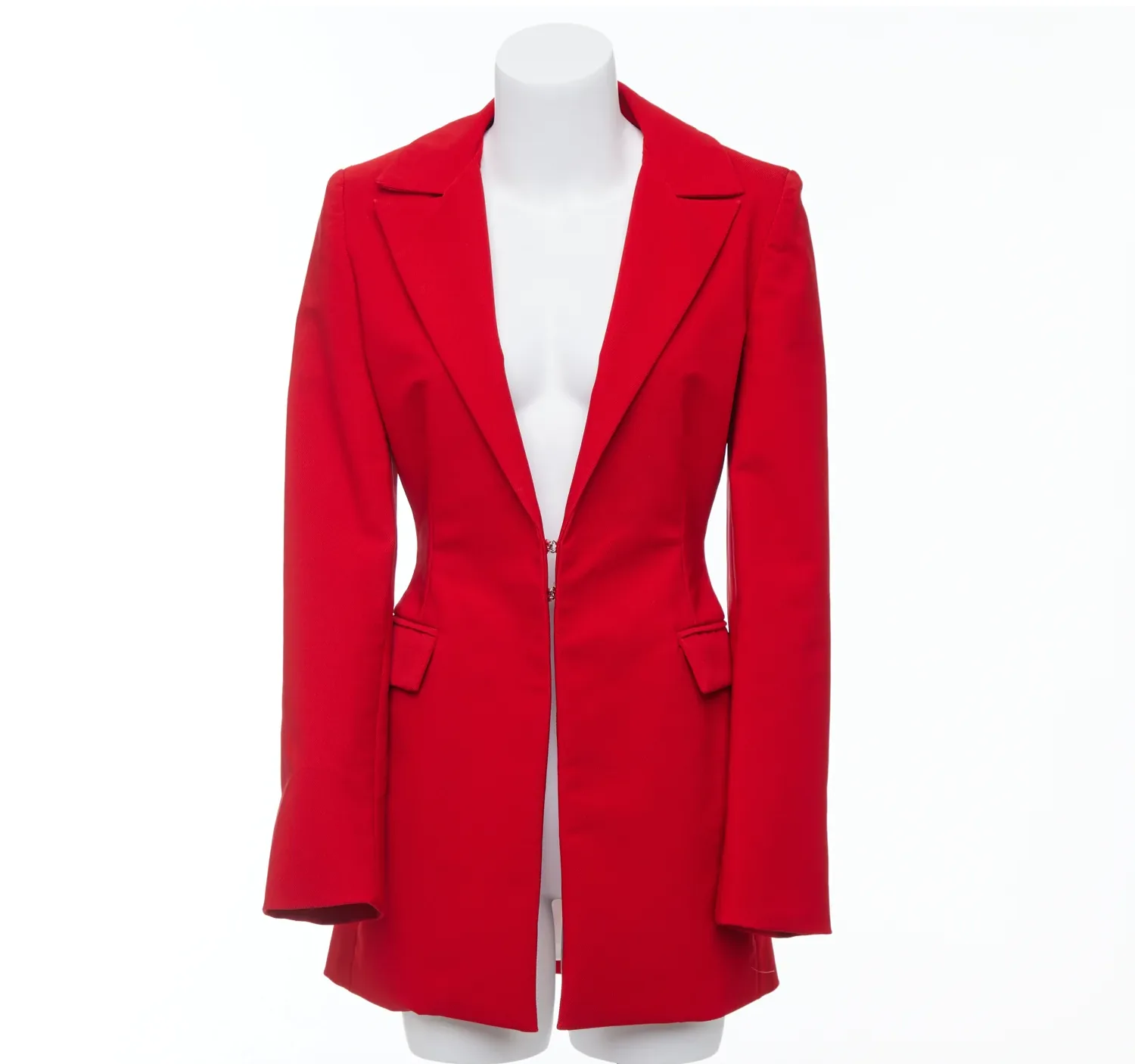
One of the most persistent technical challenges for fashion e-commerce brands is presenting garments in a way that communicates fit, volume, and structure — without requiring a model in every single frame. This is where ghost mannequin photography becomes essential, and where poor execution can seriously undermine brand perception.
The ghost mannequin (or hollow man) effect removes the mannequin from product images in post-production, leaving a floating, three-dimensional representation of the garment that shows its interior construction. When done well, it gives customers a clear sense of how the garment sits on a body. When done badly, it looks unnatural, clumsy, and immediately signals low production value.
What professional ghost mannequin execution requires
- Precise masking that respects fabric edges, especially at collars, cuffs, and hemlines
- Interior label and lining photography planned at the shoot stage, not as an afterthought
- Consistent shadow and light behavior that makes the garment read as three-dimensional
- Color fidelity maintained from raw file through final export
The ghost mannequin service for e-commerce brands at PicVisual is built around this principle: the edit should be invisible. Customers should see a beautifully presented garment, not evidence of post-production work. That invisibility is the craft.
For brands producing large catalog volumes, consistency across the ghost mannequin effect is just as important as quality. A single shoot might involve 80 to 200 SKUs. If shadow behavior shifts between items, or if masking precision varies from garment to garment, the catalog feels visually unstable — and visual instability erodes purchase confidence.
Part Three: The Hollow Man Effect — When Absence Becomes a Statement

Closely related but distinct, the hollow man effect takes the ghost mannequin concept further — creating imagery where the absence of a physical form becomes a design choice in itself. Rather than simply removing a mannequin, the hollow man effect is used intentionally to create a sense of the garment existing in space, animated by an invisible presence.
This technique is increasingly used by mid-to-luxury fashion brands that want e-commerce imagery which reads as editorial. It bridges the gap between product catalog photography and campaign storytelling — giving the viewer both the clarity they need to make a purchase decision and the aesthetic pleasure that builds brand desire.
The best e-commerce photography doesn’t look like e-commerce photography. It looks like the brand.
Executing the hollow man effect well requires the same foundation as any strong art-directed shoot: intentional lighting, coordinated styling decisions, and a post-production brief that defines the desired “weight” and presence of the final image. Done right, it’s one of the most powerful tools available to fashion brands competing in visually saturated markets.
Part Four: Campaign vs. E-Commerce: Two Frequencies, One Brand
Campaign imagery and e-commerce imagery serve the same brand but operate on entirely different emotional frequencies. Understanding this distinction — and holding both to the same standard of visual direction — is what separates brands with cohesive identities from brands that feel fragmented.
Campaign Imagery: Emotion First
Campaign visuals exist to make people feel what owning a product represents. The product supports the story; it doesn’t carry it alone. Art direction for campaigns should emphasize atmospheric lighting, carefully constructed sets or locations, model energy and gesture, and a color grade that reinforces the campaign’s emotional temperature.
In post-production, campaign images typically receive more expressive treatment: deeper contrast, more deliberate color shifts, and retouching that enhances the story rather than simply correcting it. The goal is an image that earns attention and builds memory.
E-Commerce Imagery: Clarity with Character
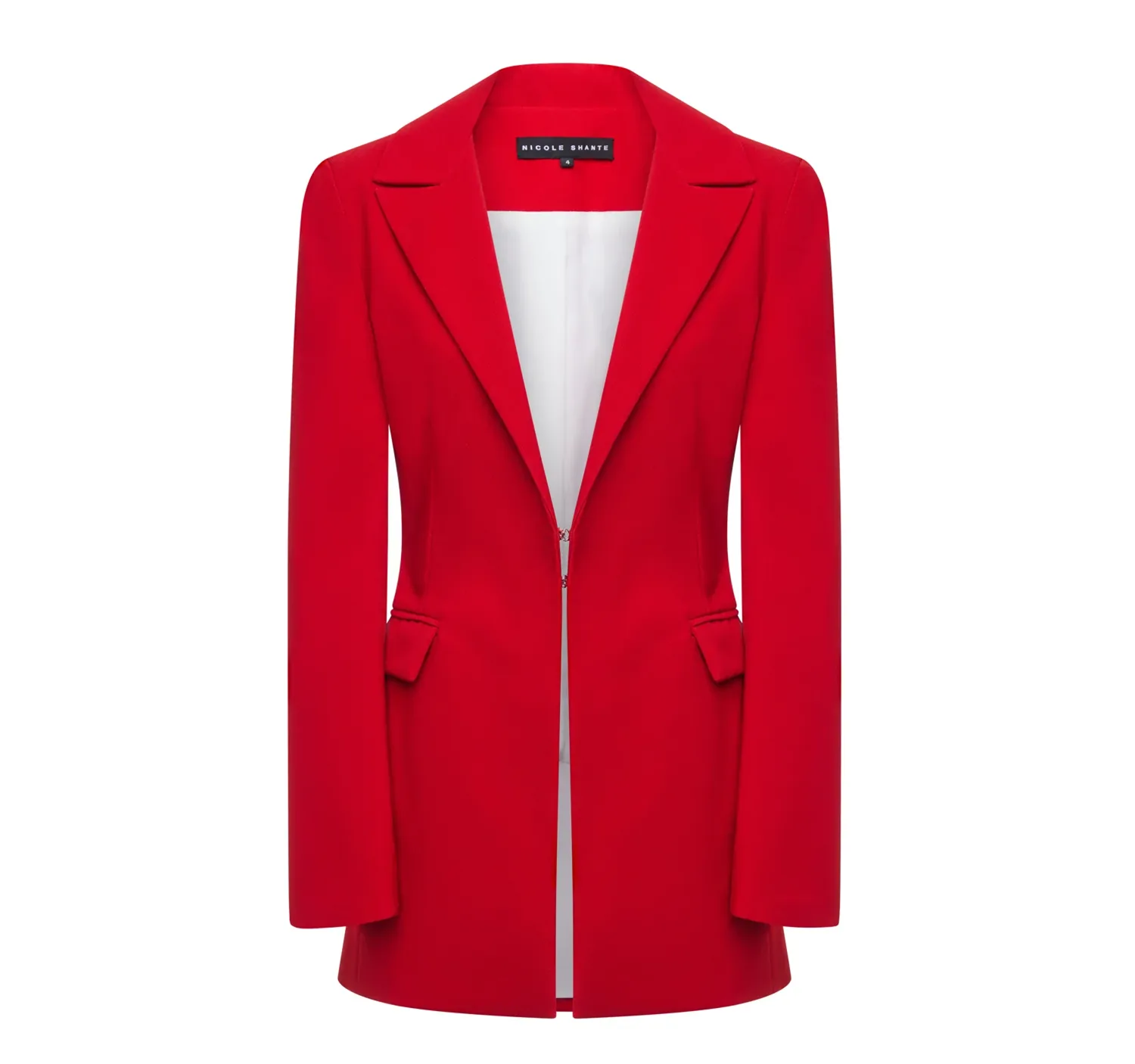
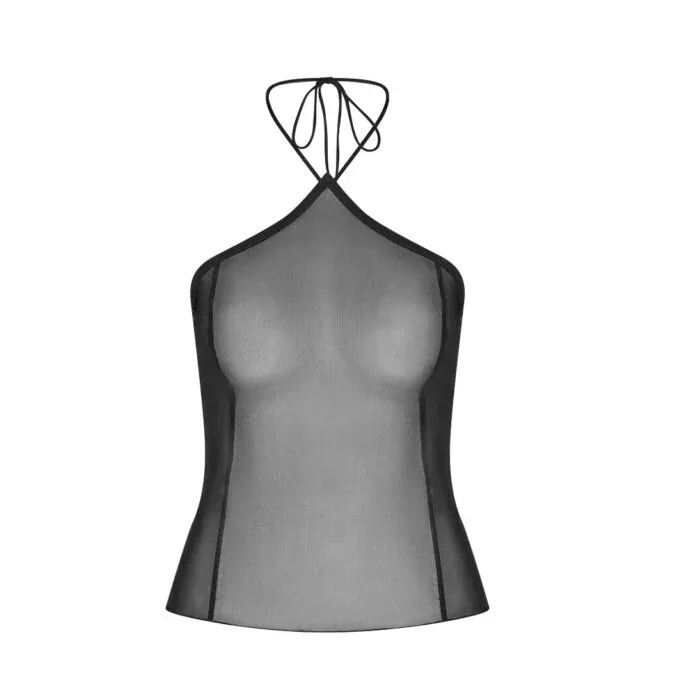
E-commerce photography is where customers make purchase decisions. Clarity and visual reliability matter most. But “consistent” doesn’t have to mean “clinical.” Strong e-commerce art direction ensures that catalog images feel aligned with the brand’s aesthetic, not just technically adequate.
This means defining lighting logic so every product is photographed under the same tone and angle. It means choosing backgrounds that complement the brand’s palette. It means establishing retouching standards that preserve material texture — the grain of linen, the reflection of polished metal — rather than flattening everything to a uniform digital smoothness.
E-commerce post-production standards to define
- Background tone and neutralization approach (warm white, cool gray, stone, etc.)
- Shadow style — dropped, natural, or none — consistent across all SKUs
- Skin and material retouching intensity — where to preserve texture, where to refine
- Color profile and export specifications for each platform
- Cropping ratios standardized for website, marketplace, and social formats
Part Five: Building a Photography Business Around Visual Excellence
For photographers and studios looking to specialize in fashion and product work, understanding the full post-production pipeline isn’t optional — it’s a competitive differentiator. Clients increasingly expect photographers who can speak the language of retouching, who understand how their lighting decisions will interact with color grading downstream, and who can collaborate with post-production partners intelligently.
The most successful photography businesses in the fashion and e-commerce space are those that position themselves as visual partners, not just camera operators. That means developing fluency in art direction, building strong post-production relationships, and understanding how final images will function across the platforms and formats a client actually uses.
If you’re exploring how to grow in this space, this guide to photography business ideas covers a range of specializations worth considering — from ghost mannequin studios to brand retainer work with fashion labels.
Part Six: Common Post-Production Mistakes That Undermine Brand Identity
Even brands with strong creative vision can lose coherence when the post-production process isn’t guided by the same strategic logic as the shoot itself. These are the most common failure points.
- Treating color grading as aesthetic preference rather than brand language. Color temperature, saturation, and tonal contrast are not just stylistic choices — they are brand assets. Applying inconsistent grades across collections makes imagery feel fragmented even when the product photography is strong.
- Over-retouching product surfaces. In jewelry and fashion, texture is value. Retouching that removes grain from fabric, eliminates the micro-scratches that give metal character, or flattens the dimensionality of gemstones doesn’t improve the product — it misrepresents it and reduces perceived premium quality.
- Ignoring platform-specific requirements in post-production planning. An image that looks perfect at full resolution on a desktop will lose crucial detail when compressed for mobile or cropped for a social format. Testing images across intended platforms before final delivery is essential, not optional.
- Working with different retouchers without a unified brief. Inconsistency in retouching style — even subtle variation in shadow treatment or skin tone handling — accumulates across a catalog to create a visual incoherence that undermines brand recognition.
- Separating post-production from the creative brief. When retouchers receive only images and basic correction notes rather than the campaign brief, concept statement, and moodboard, they make aesthetic decisions without the context needed to protect the brand’s visual intent.
Frequently Asked Questions
What’s the difference between retouching and color grading in product photography?
Retouching addresses specific elements within an image — removing dust spots, refining skin, cleaning product surfaces, or compositing techniques like the ghost mannequin effect. Color grading applies a unified tonal and chromatic treatment to the entire image, establishing the mood, warmth, and contrast that define the brand’s visual signature. Both are essential, and both should be directed by the same creative brief.
When should a brand invest in ghost mannequin photography versus model photography?
Both have distinct roles. Model photography builds emotional connection and brand identity — it shows the garment in context and communicates lifestyle. Ghost mannequin photography serves purchase decision-making by showing structure, fit, and interior construction clearly and consistently across large catalogs. Most brands benefit from using both: campaign imagery with models, and a ghost mannequin or hollow man treatment for core product listings.
How do I ensure consistency when working with multiple photographers or studios?
Consistency begins with documentation. A comprehensive art direction brief — including lighting specifications, retouching standards, color palette references, and annotated visual examples — gives every collaborator the framework needed to work within your brand’s visual language rather than interpreting it from scratch. Without this, even talented teams will produce results that feel off-brand.
How early should post-production be considered in campaign planning?
Ideally, from the concept stage. Decisions made at the shoot — lighting color temperature, shadow behavior, material textures captured — directly affect what is possible in post-production. Retouching can refine; it cannot fundamentally change what wasn’t captured. Involving your post-production team or partner in the pre-production process prevents costly reshoots and ensures the final images can achieve the intended visual result.